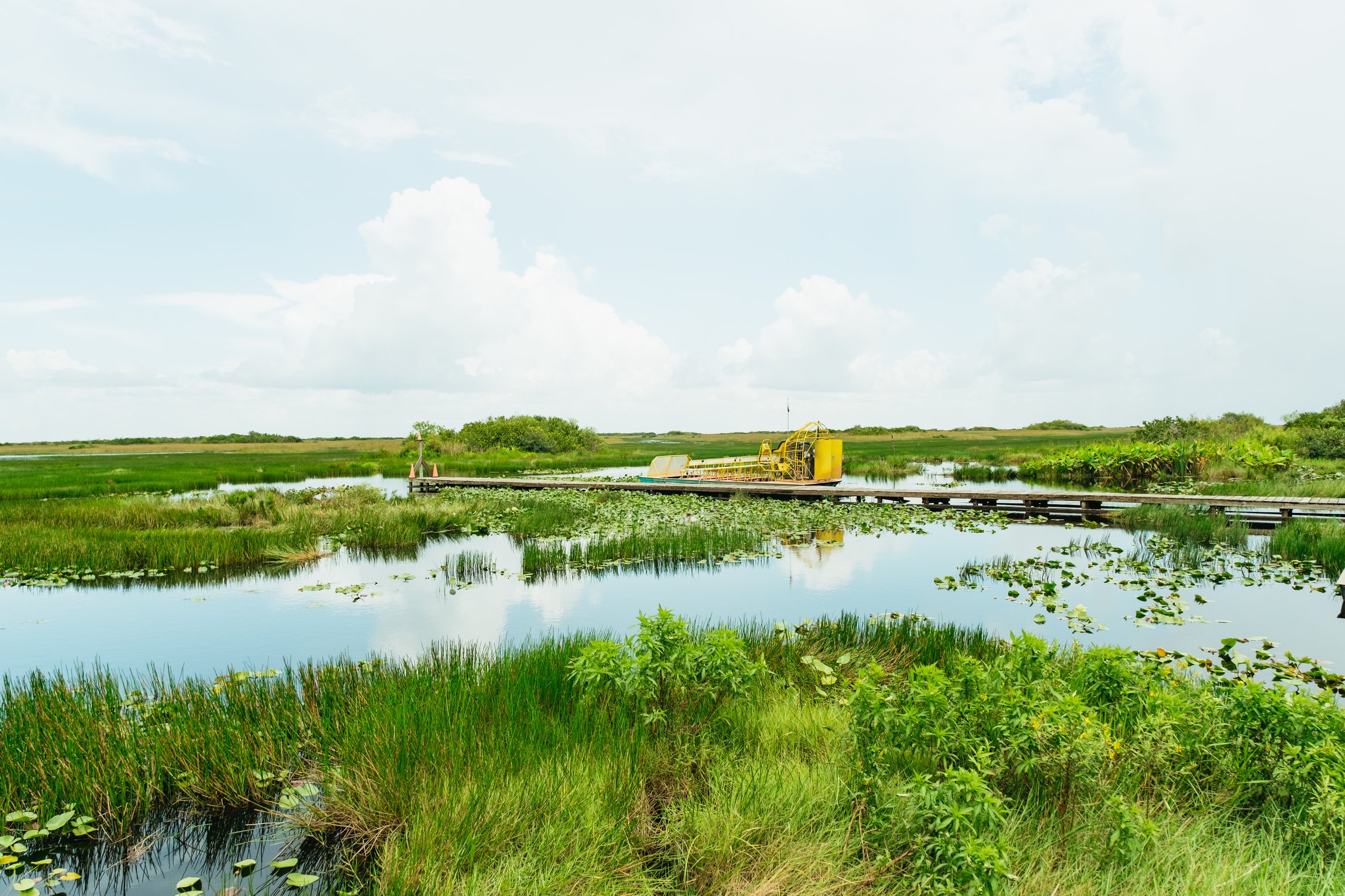
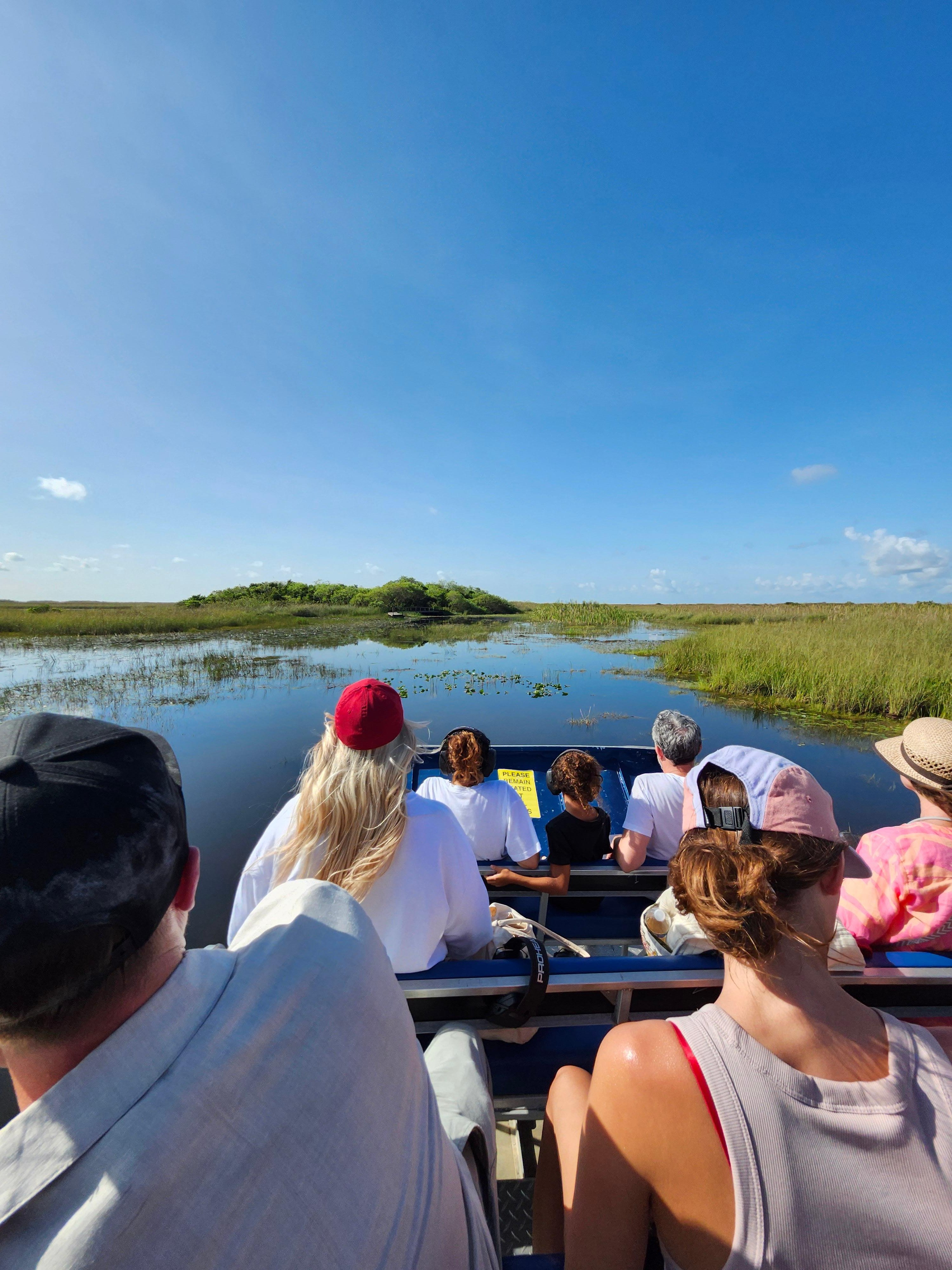
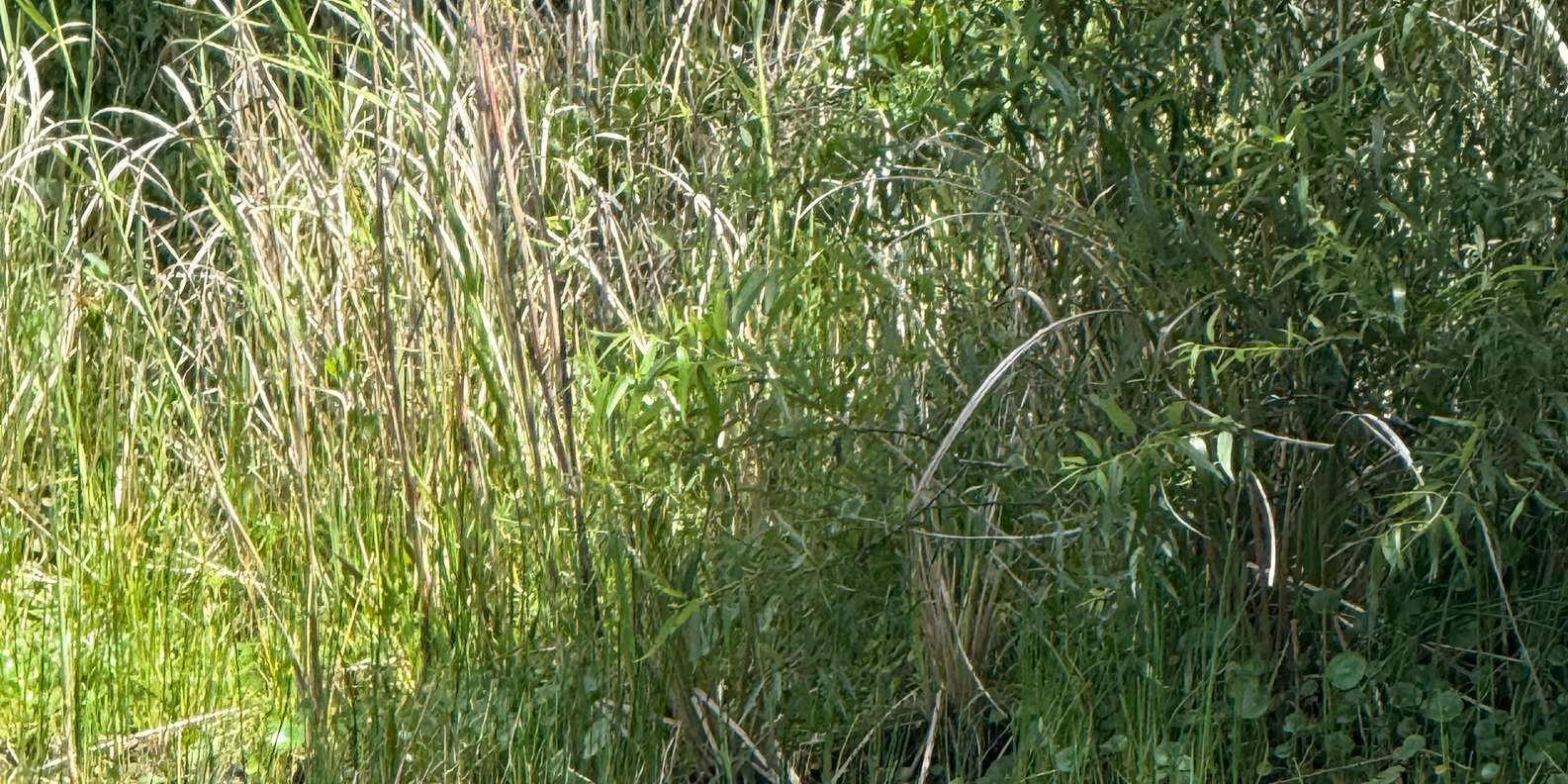
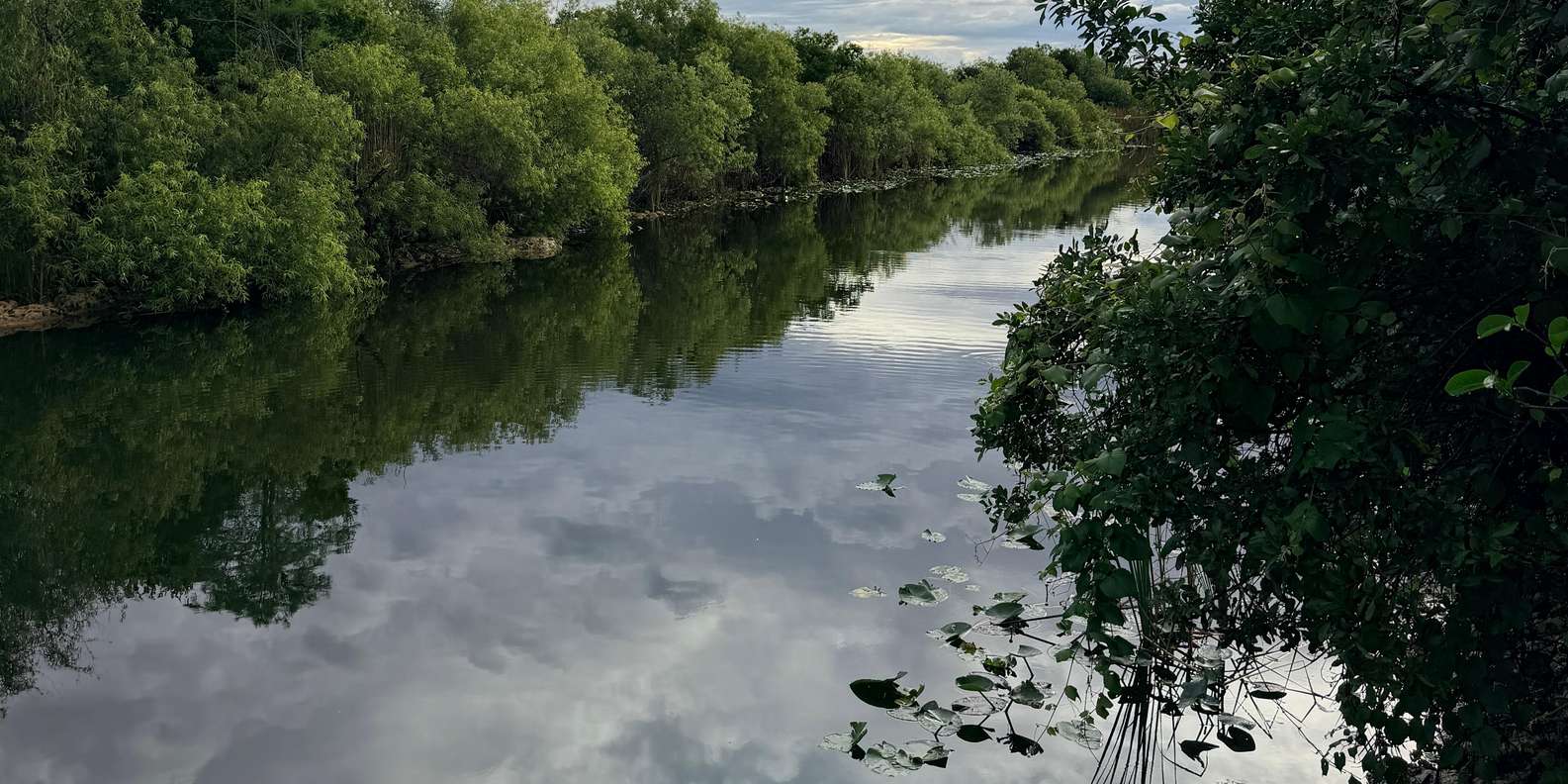
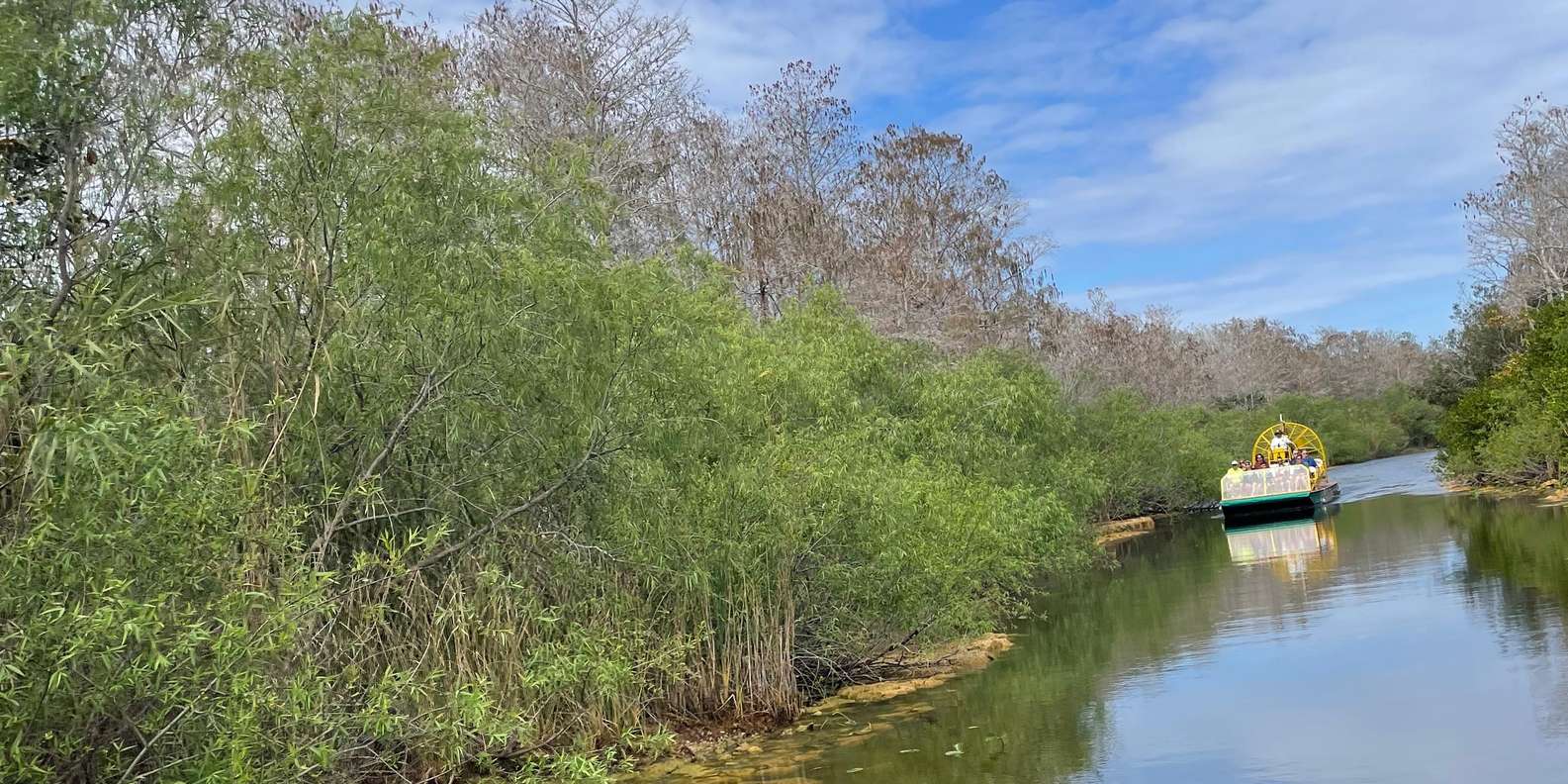
The Everglades is one of the most unusual landscapes in North America — and an airboat is the machine built to cross it. Stretching across the southern tip of Florida just west of Miami, this is not a swamp in the ordinary sense but a vast, shallow, almost imperceptibly slow-moving sheet of fresh water flowing south toward the sea. The conservationist Marjory Stoneman Douglas gave it its enduring name in her 1947 book, The Everglades: River of Grass — and once you see the endless sawgrass prairie opening out in front of an airboat, the phrase makes perfect sense.
The Everglades is also internationally important on a scale few places match. Everglades National Park is one of only a handful of sites on Earth recognized under all three major international conservation programs: it was named an International Biosphere Reserve in 1976, a UNESCO World Heritage Site in 1979, and a Wetland of International Importance under the Ramsar Convention in 1987. It protects the largest continuous stand of sawgrass prairie anywhere, the largest mangrove ecosystem in the Western Hemisphere, and the most significant wading-bird breeding ground in North America.
What You’ll Actually See
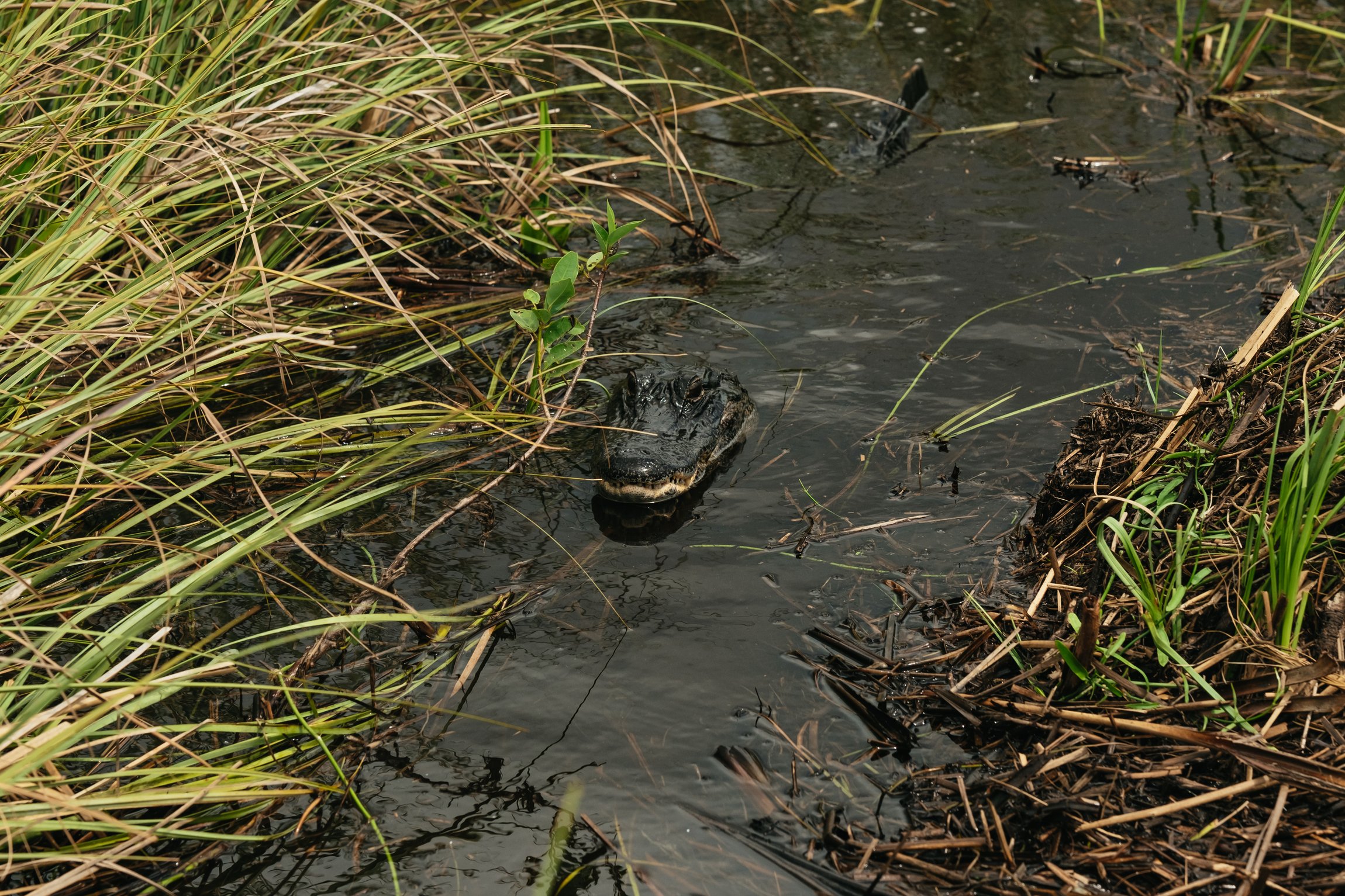
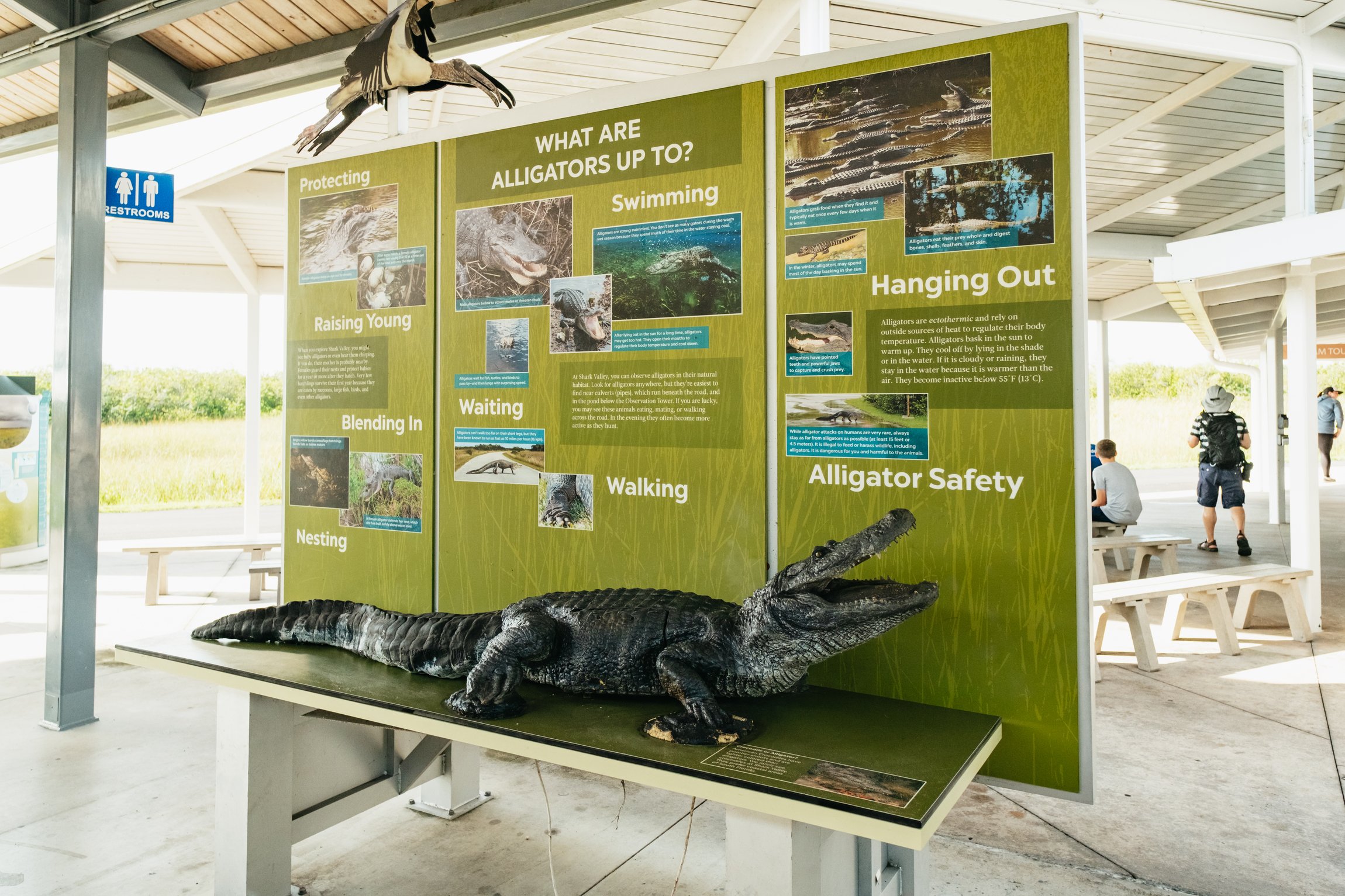
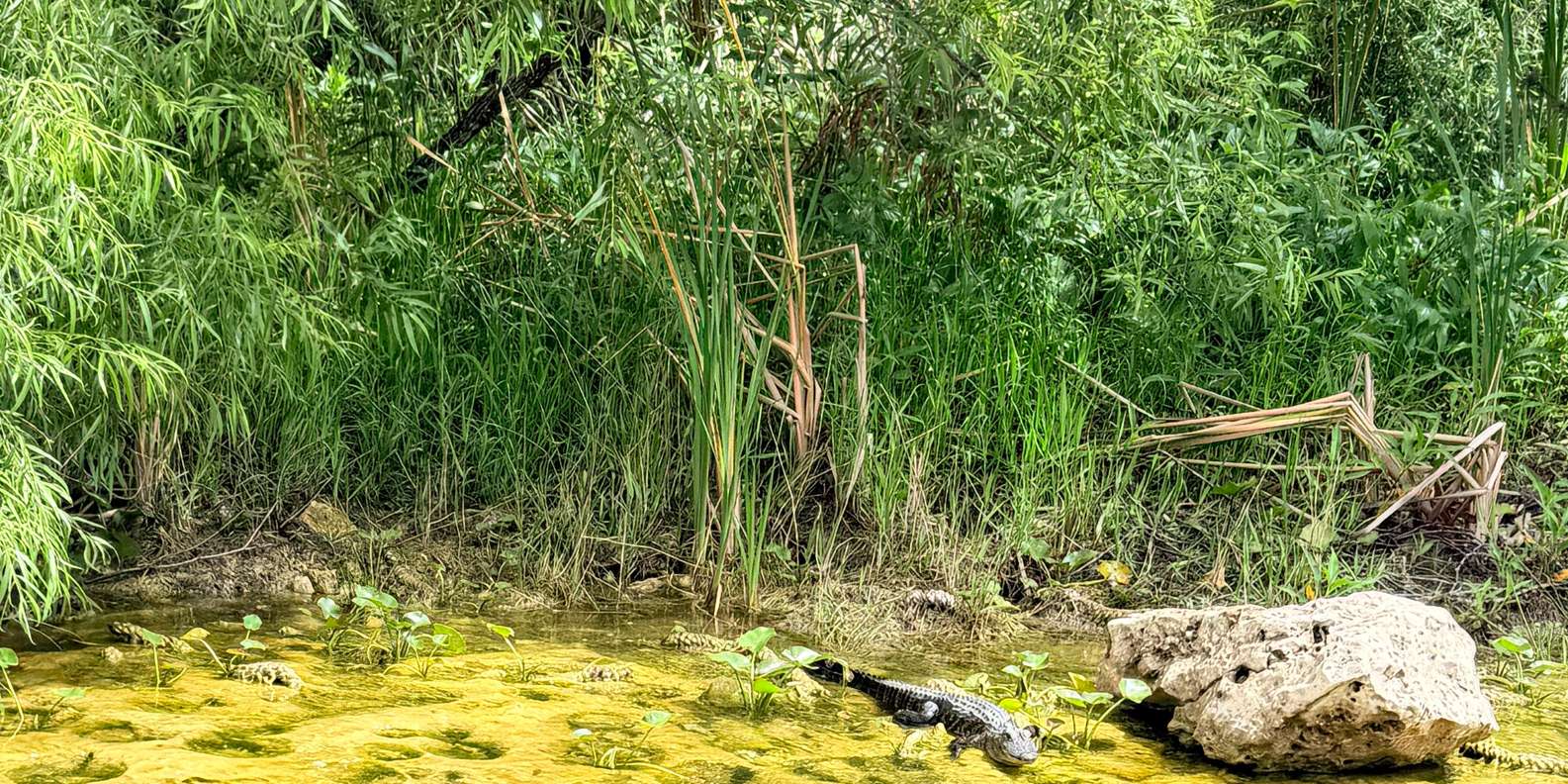
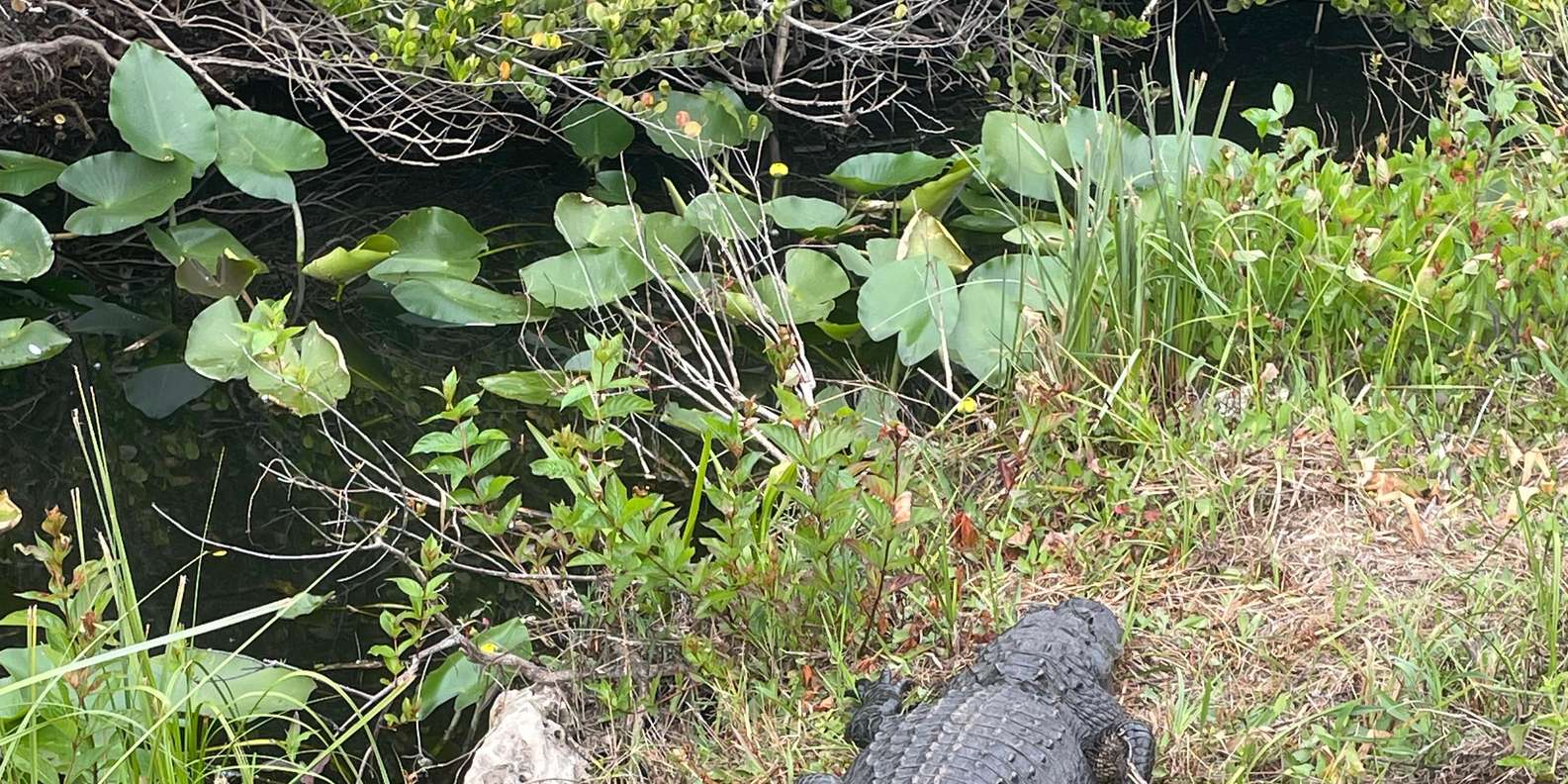
The headline animal is, of course, the American alligator. The Everglades holds a large wild population, and on a typical airboat ride you can reasonably expect to see them — basking on banks, cruising the channels, or eyeing the boat from the sawgrass. South Florida is also the only place in the world where alligators and American crocodiles live side by side, though crocodiles are far scarcer and tend to keep to the brackish coastal fringes, so the gators you meet on a freshwater marsh ride will almost always be alligators.
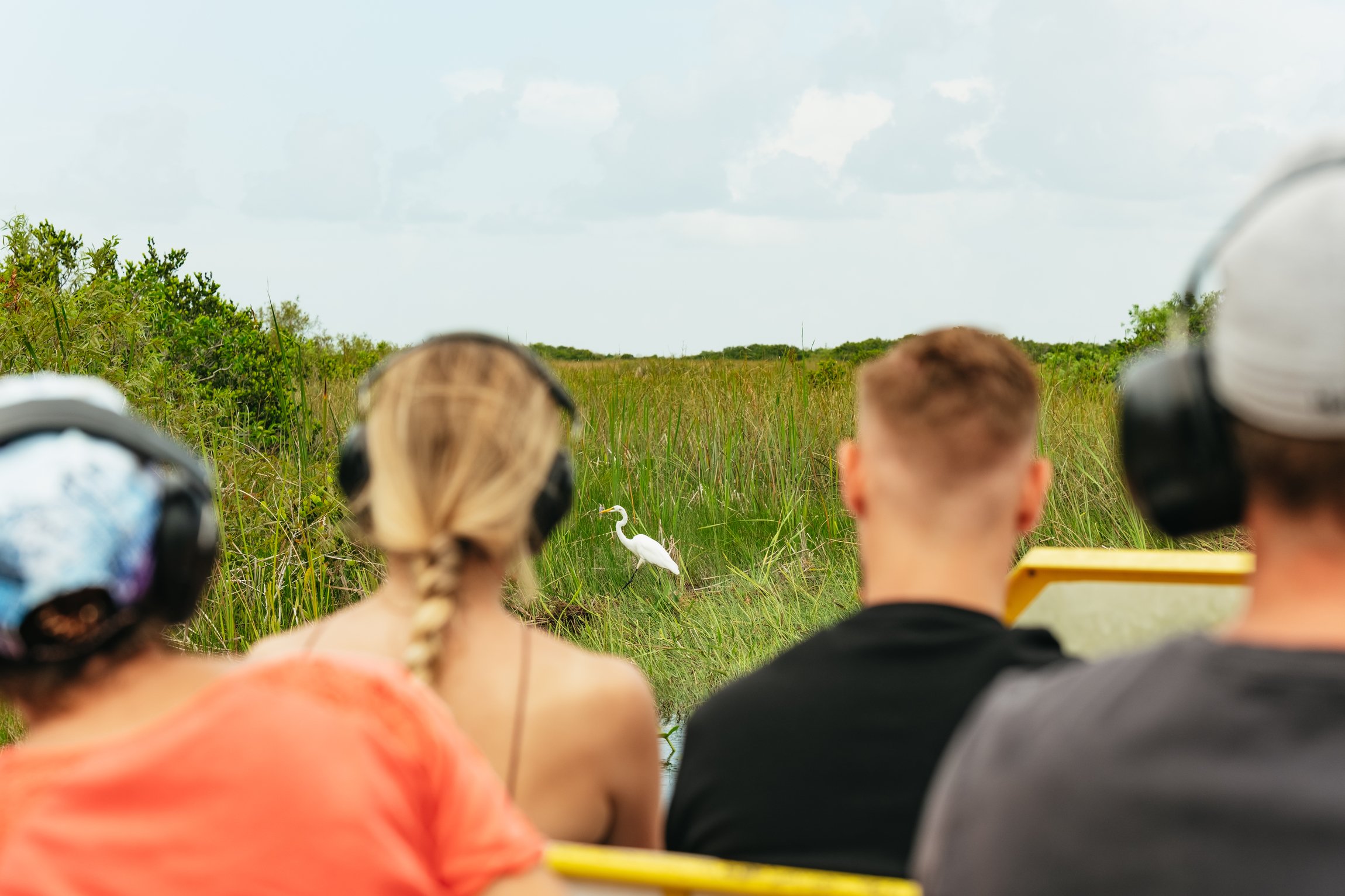
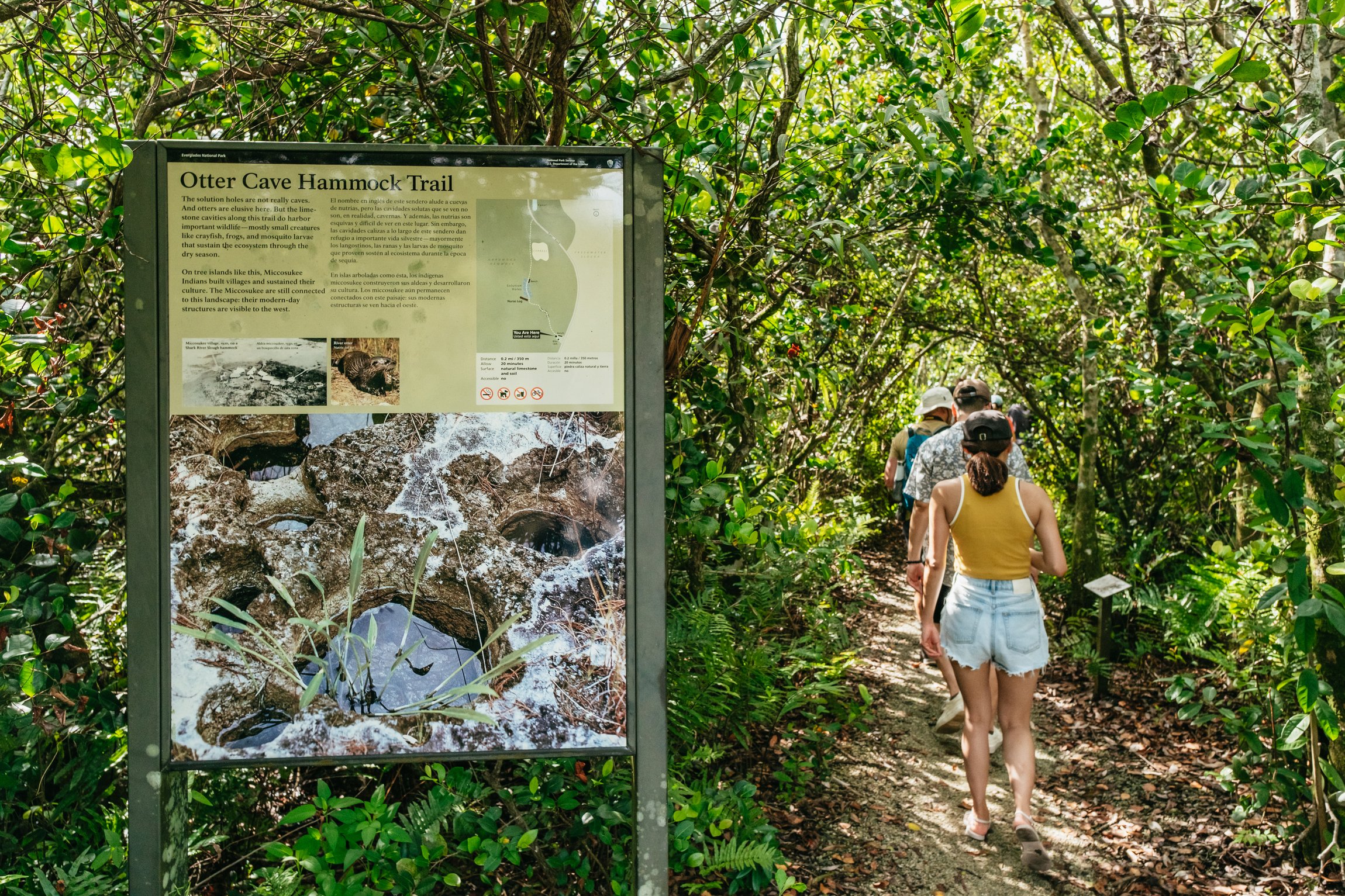
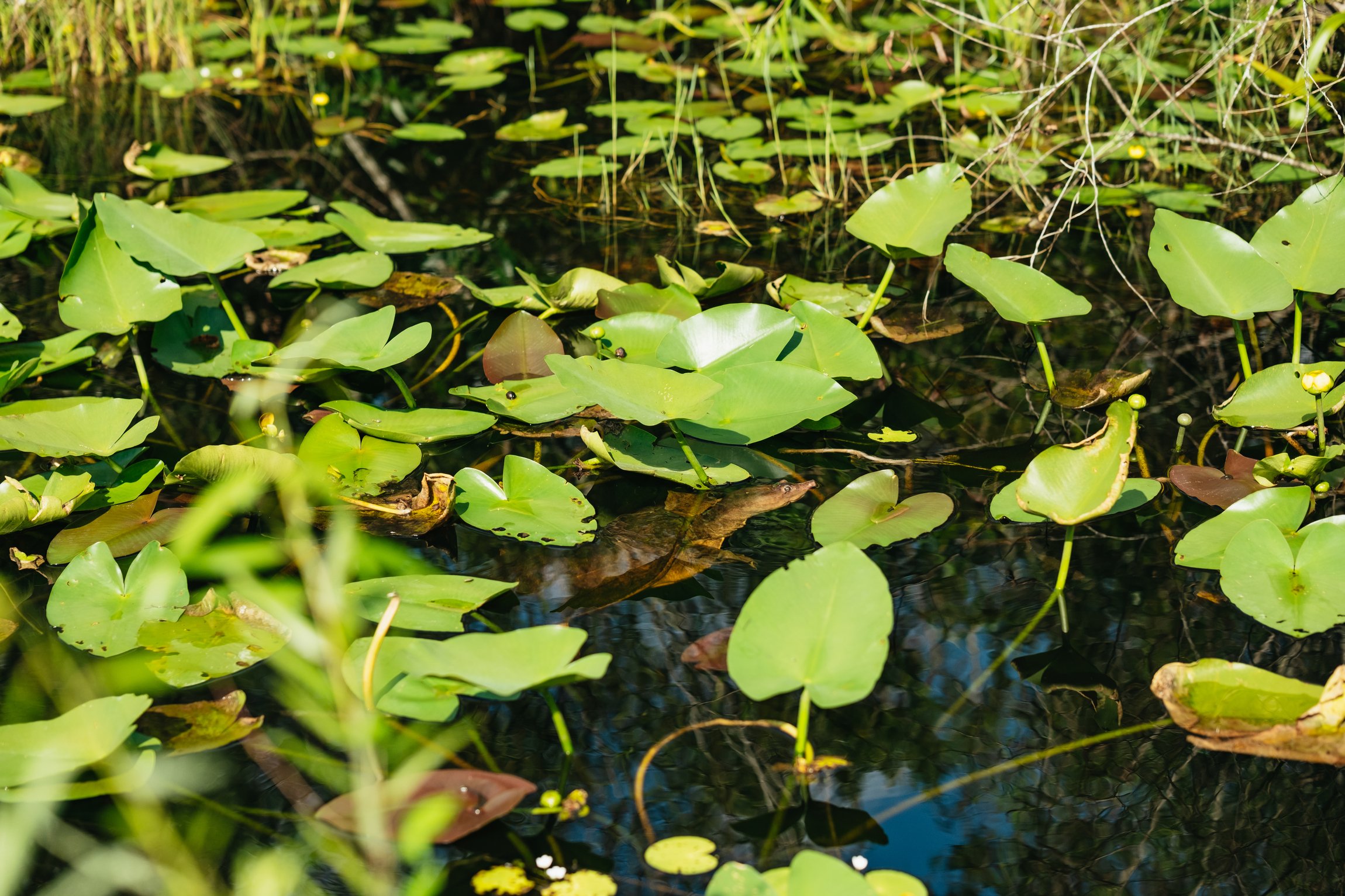
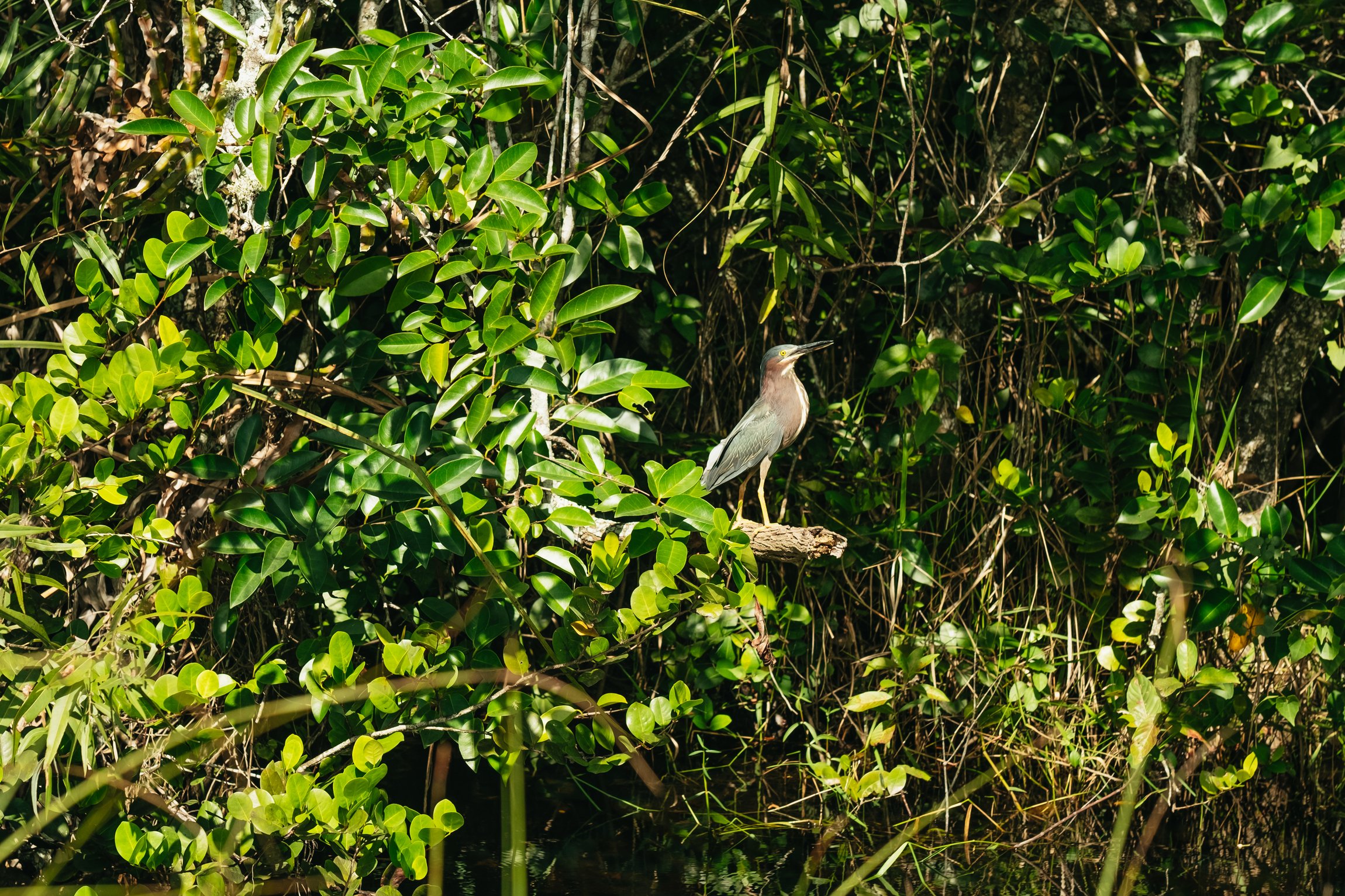
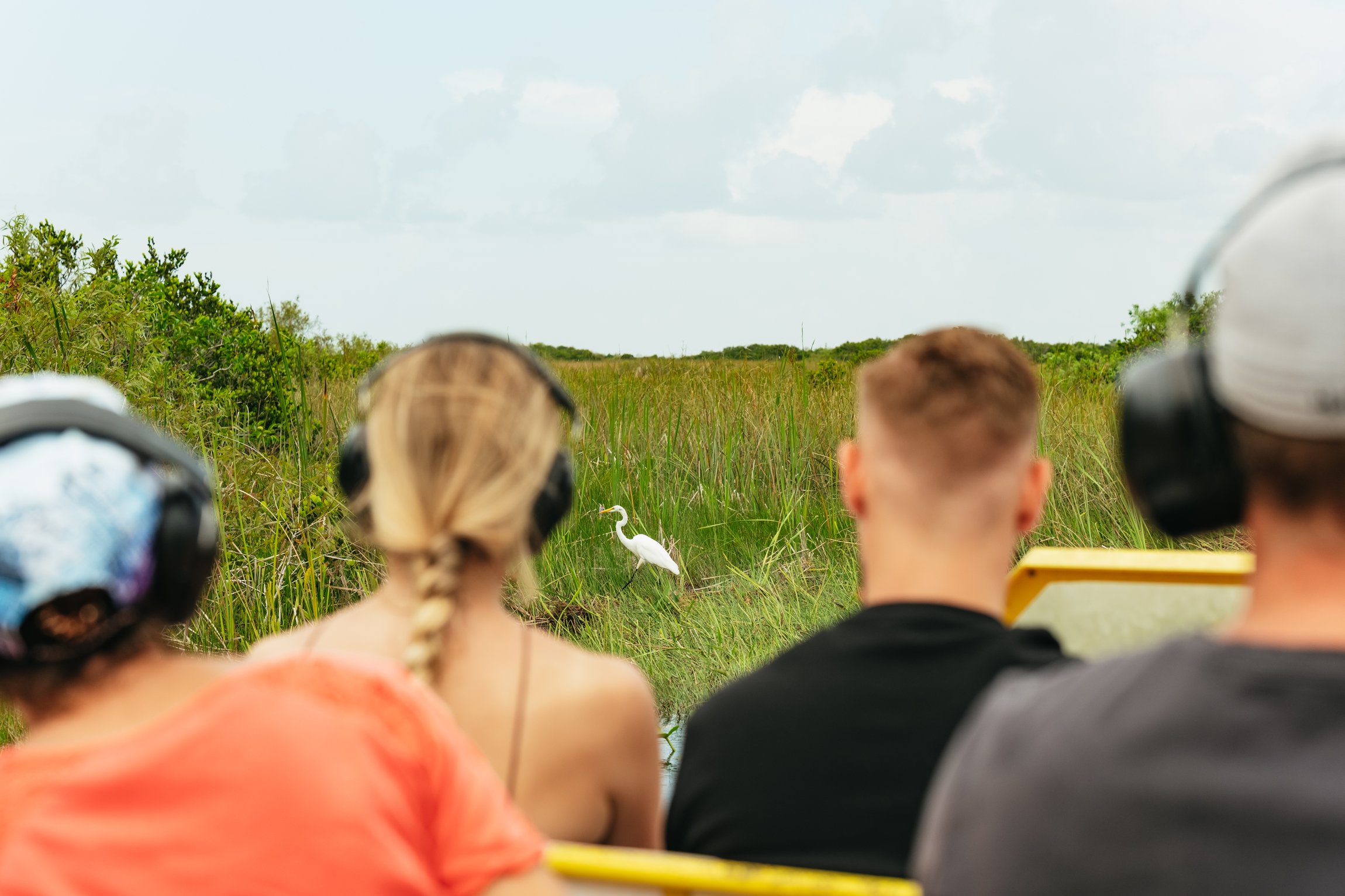
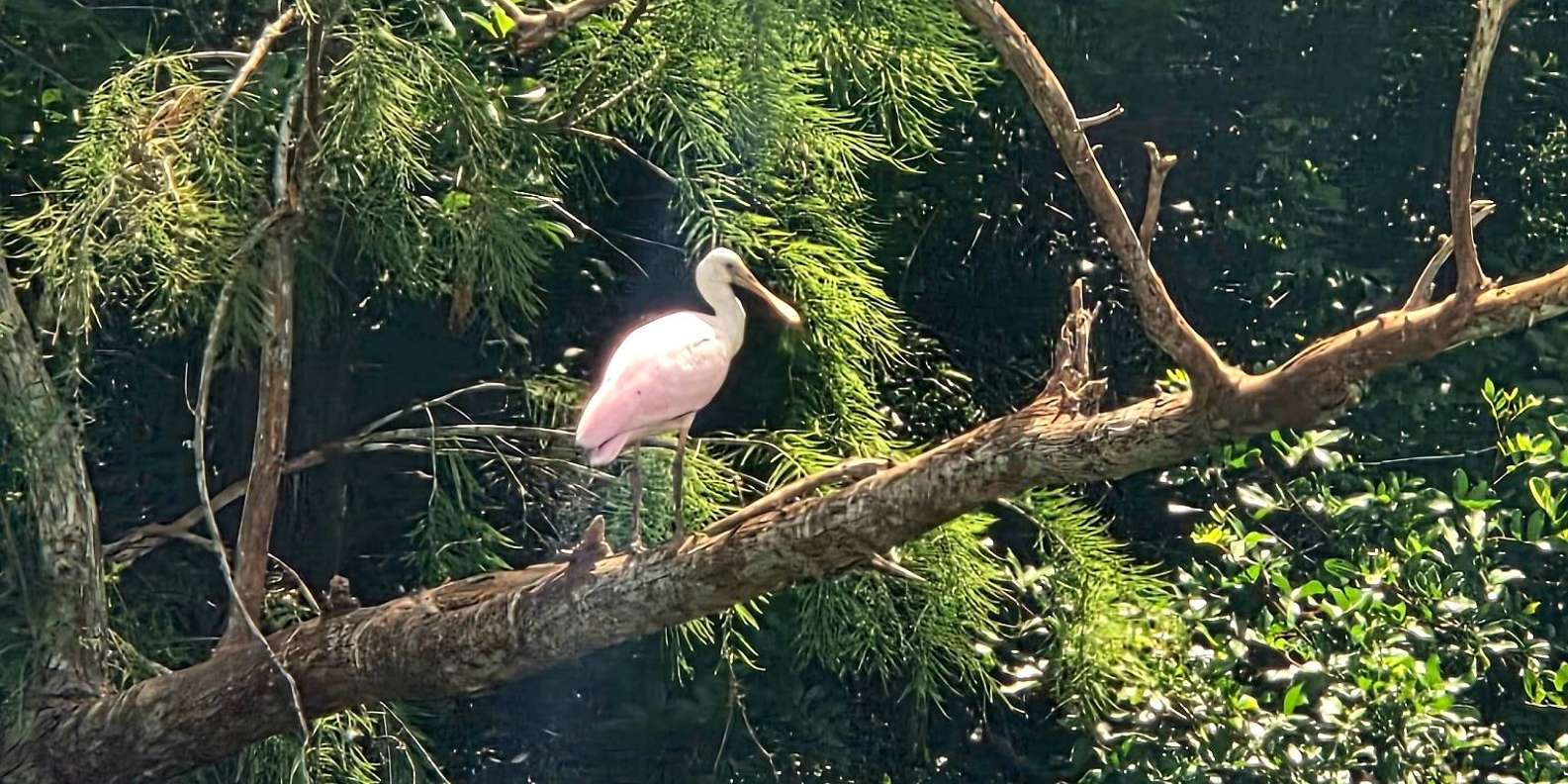
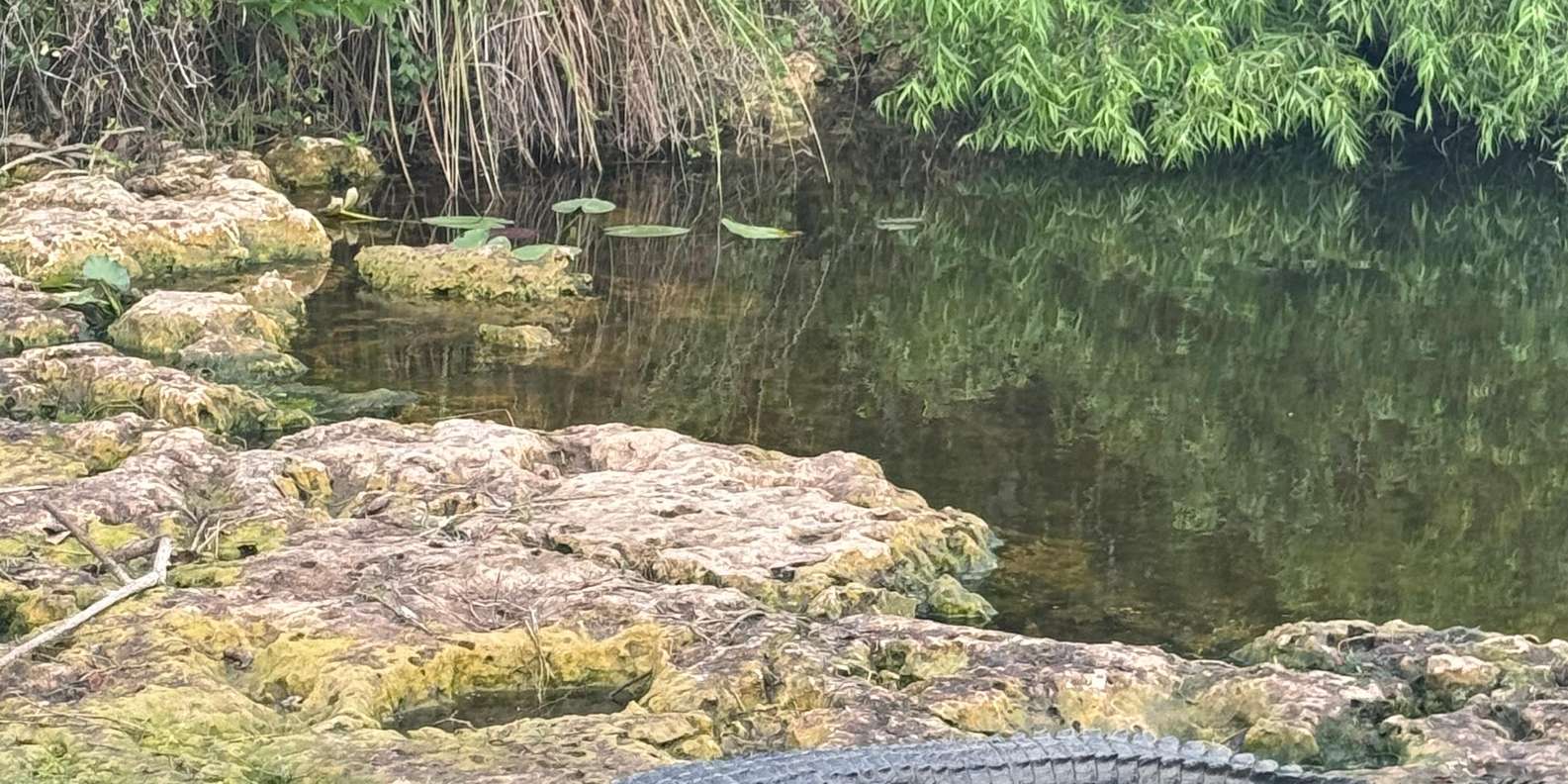
Beyond the reptiles, the wetlands are alive with birds: great blue herons, egrets, anhingas, roseate spoonbills and, in the right season, huge concentrations of wading birds. You’ll likely spot turtles, and the marsh itself — the sawgrass, the tree islands known as hammocks, the open “sloughs” of deeper water — is the real star. A good captain reads it like a map and explains how the whole system breathes with the seasons.
Where Airboat Tours Actually Run
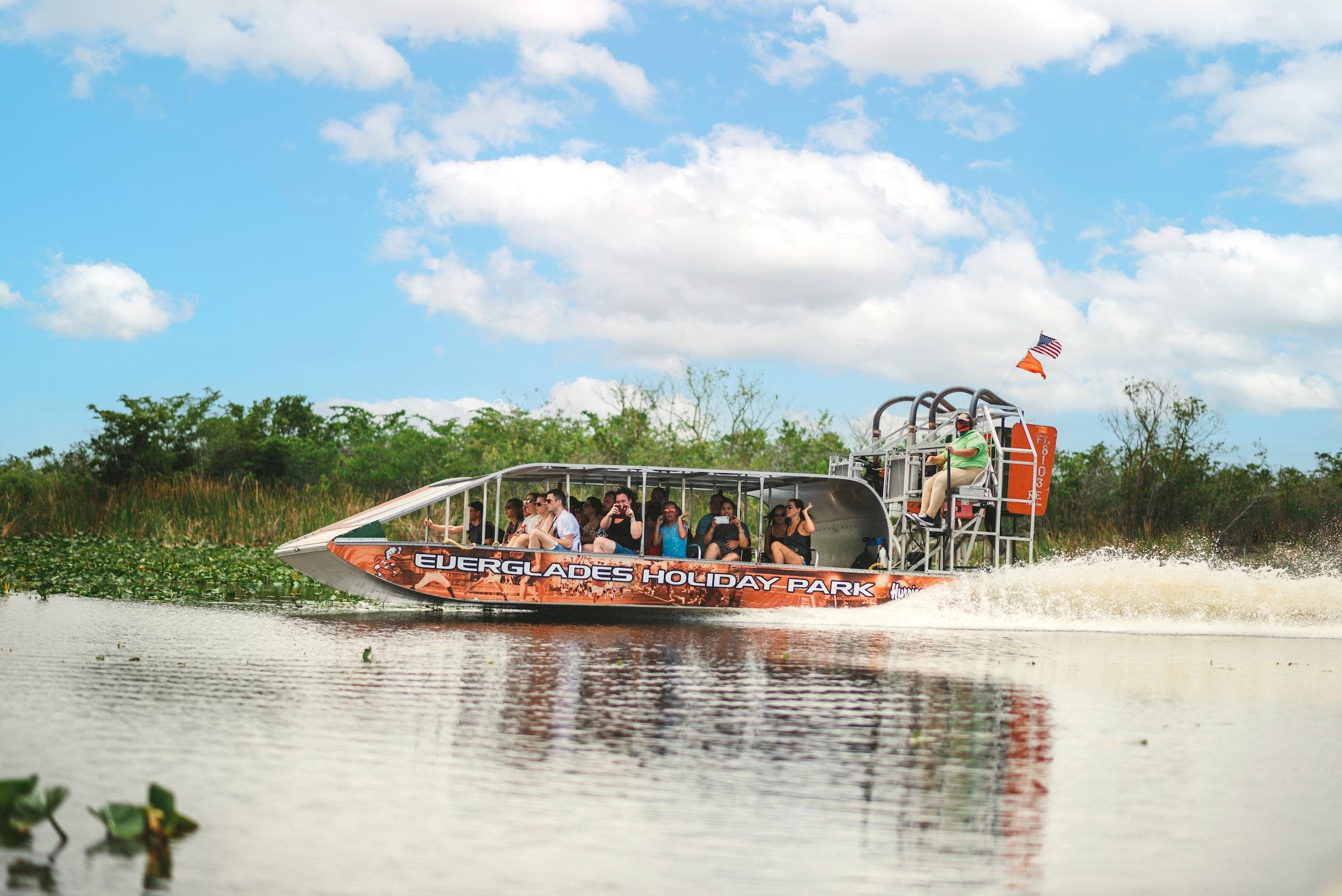
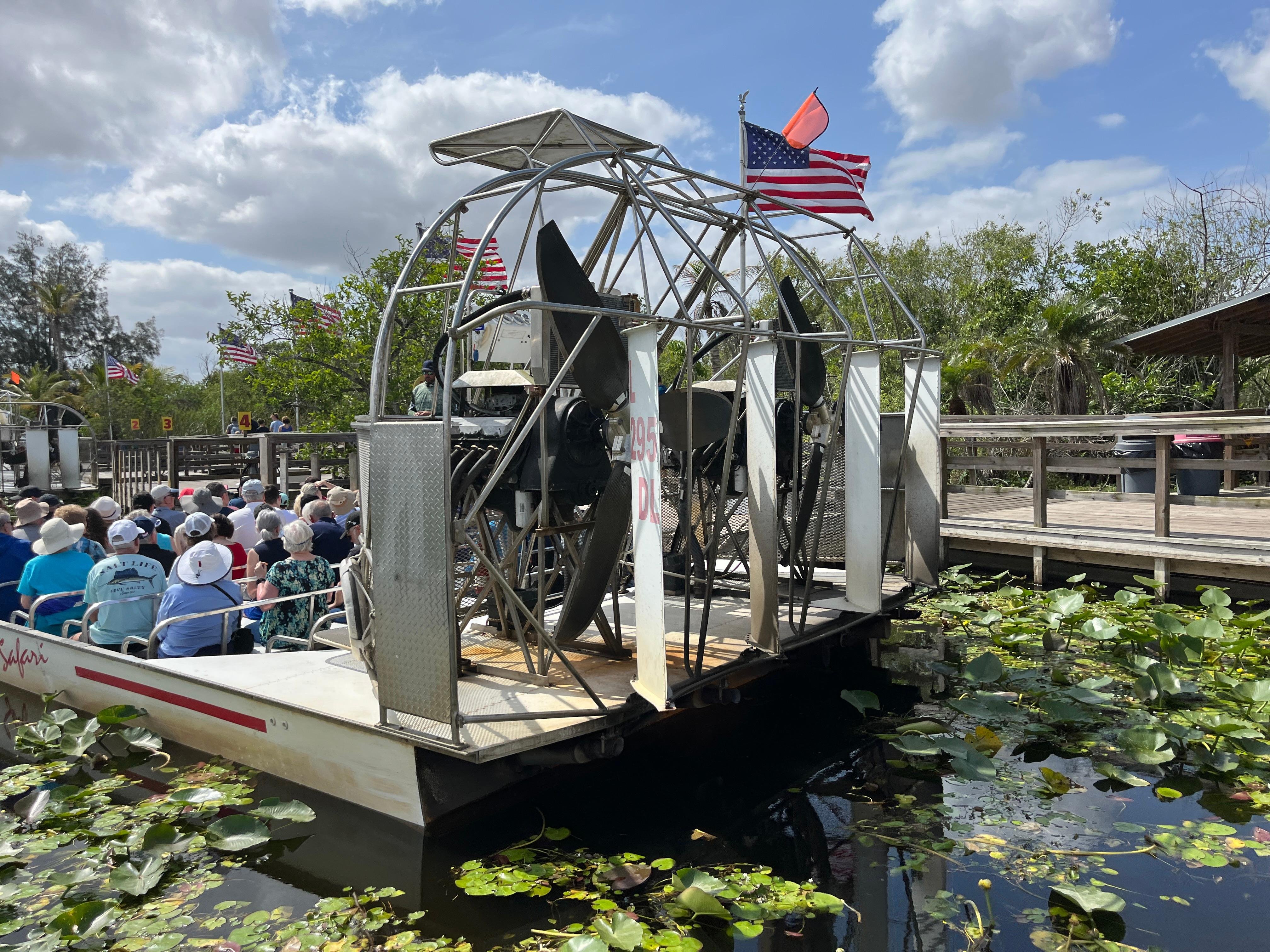
Here’s an honest point worth understanding before you book. To protect the ecosystem, airboats are heavily restricted inside Everglades National Park itself — you cannot simply launch one anywhere in the protected interior. Instead, most airboat tours operate along the Tamiami Trail (U.S. 41), the highway that runs west out of Miami toward the Gulf coast. A small number of long-established operators are authorized by the National Park Service to run airboat tours on the park’s northern edge; many others launch into the adjacent Water Conservation Areas, which are the same “River of Grass” wetland just outside the park boundary.
Either way, you are gliding through genuine Everglades marsh — the same sawgrass, the same wildlife — and the experience is excellent. What we won’t do on this site is pretend the tours take you deep into the National Park’s protected core; they don’t, and they don’t need to. The operators are independent, top-rated local companies and experienced captains, not the Park Service. The trust signals that matter are high review counts, small groups, licensed captains, and free cancellation.
Getting There from Miami
The airboat stations sit roughly 45 to 60 minutes west of downtown Miami along the Tamiami Trail, with some operators farther south near Homestead or out toward Everglades City. That distance is why so many tours bundle round-trip transport — you’re picked up in the Miami area and driven out, so you don’t need a rental car. Other tours are “meet there” departures, ideal if you’re already driving. Each listing on this page states exactly where it starts and whether transport is included.
When to Go — Season, Heat, and Noise
The single most useful piece of planning advice is about season. The dry season, roughly December through April, is the best time for wildlife: water levels fall, so alligators and birds concentrate in the remaining pools and are far easier to spot, and the air is cooler and far less buggy. The wet season (May–October) is hot, humid, and prone to afternoon thunderstorms and mosquitoes — tours still run, but mornings are your friend. Whatever the season, an early departure usually means more active animals and gentler heat.
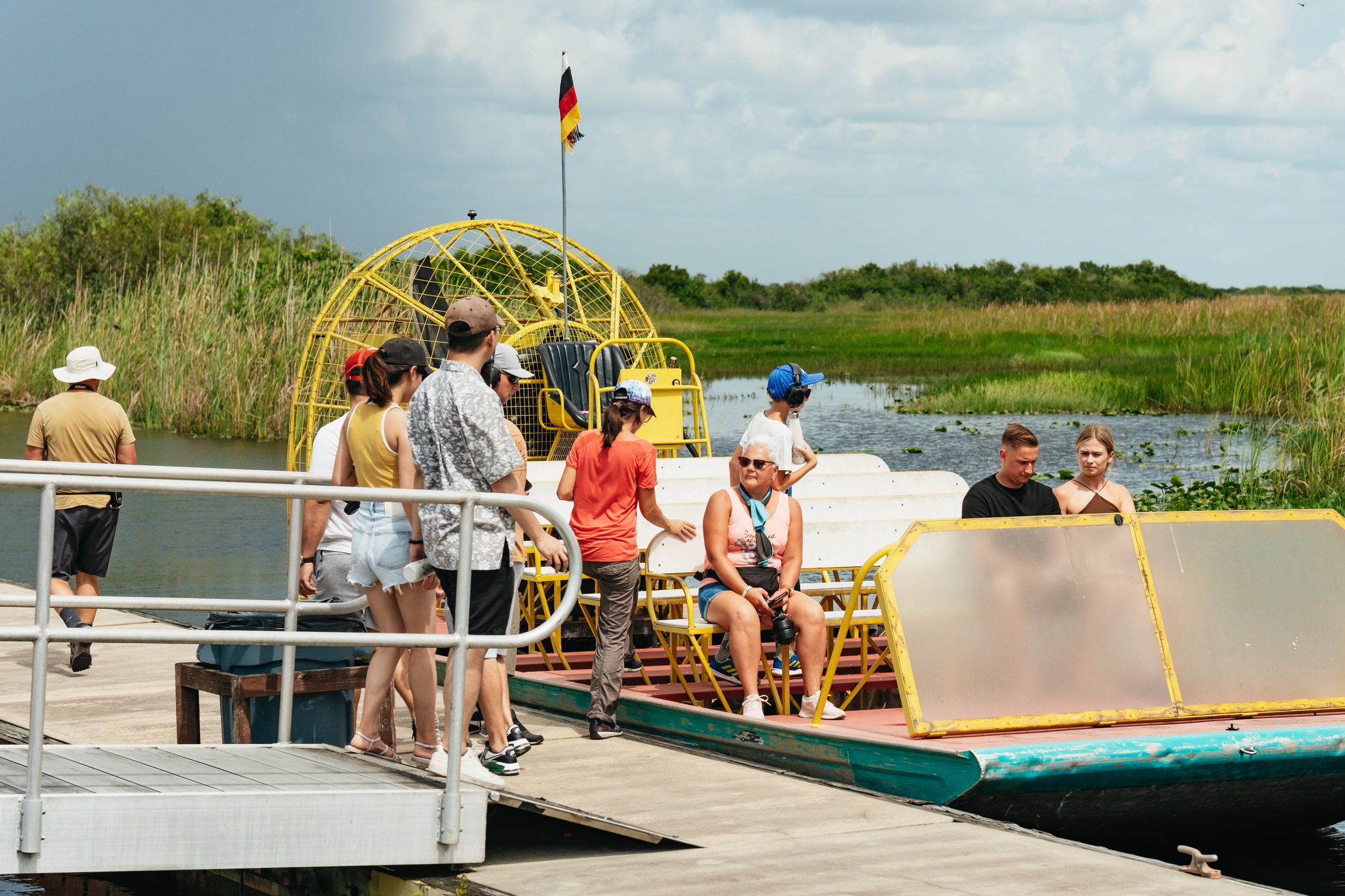
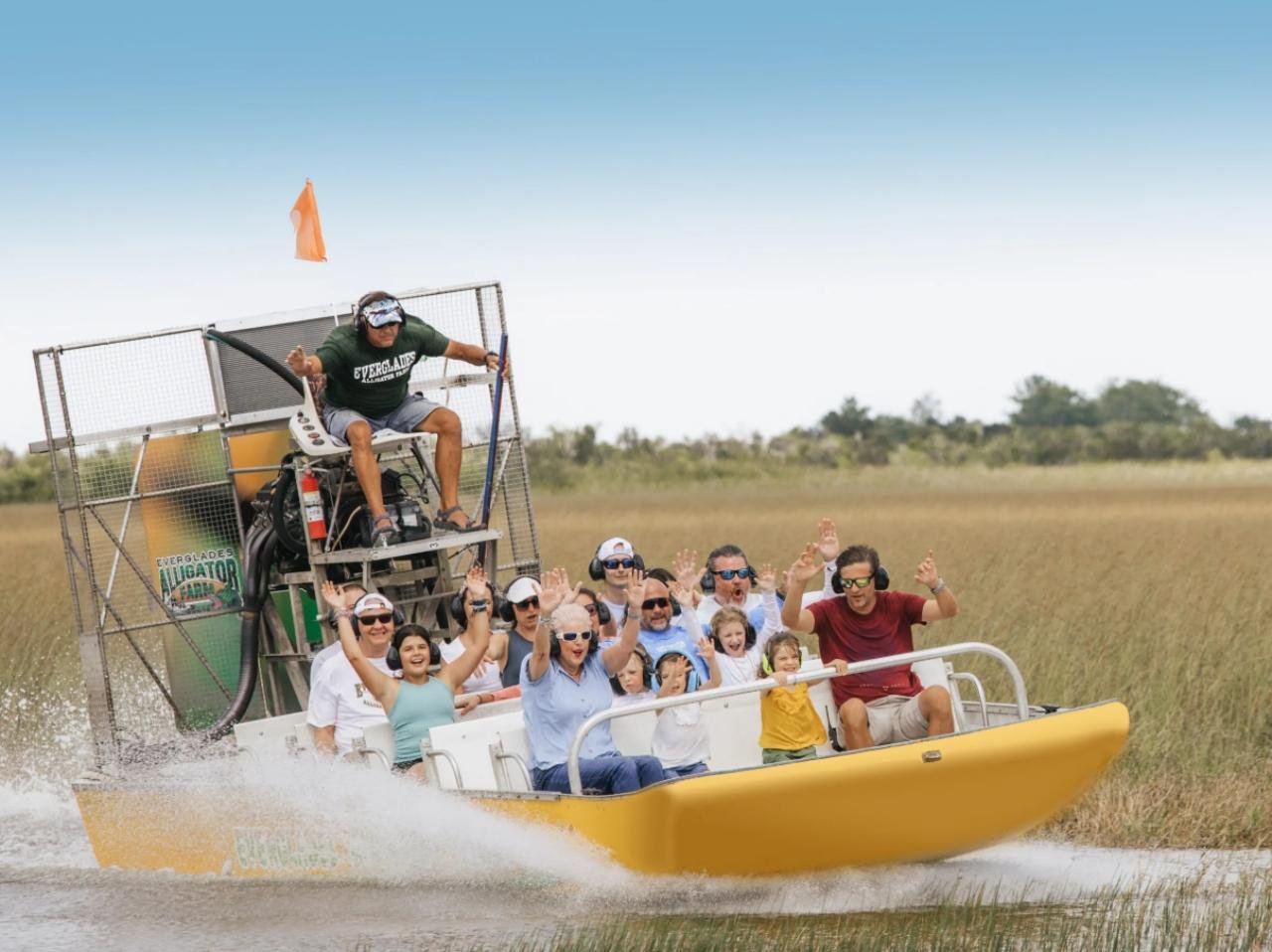
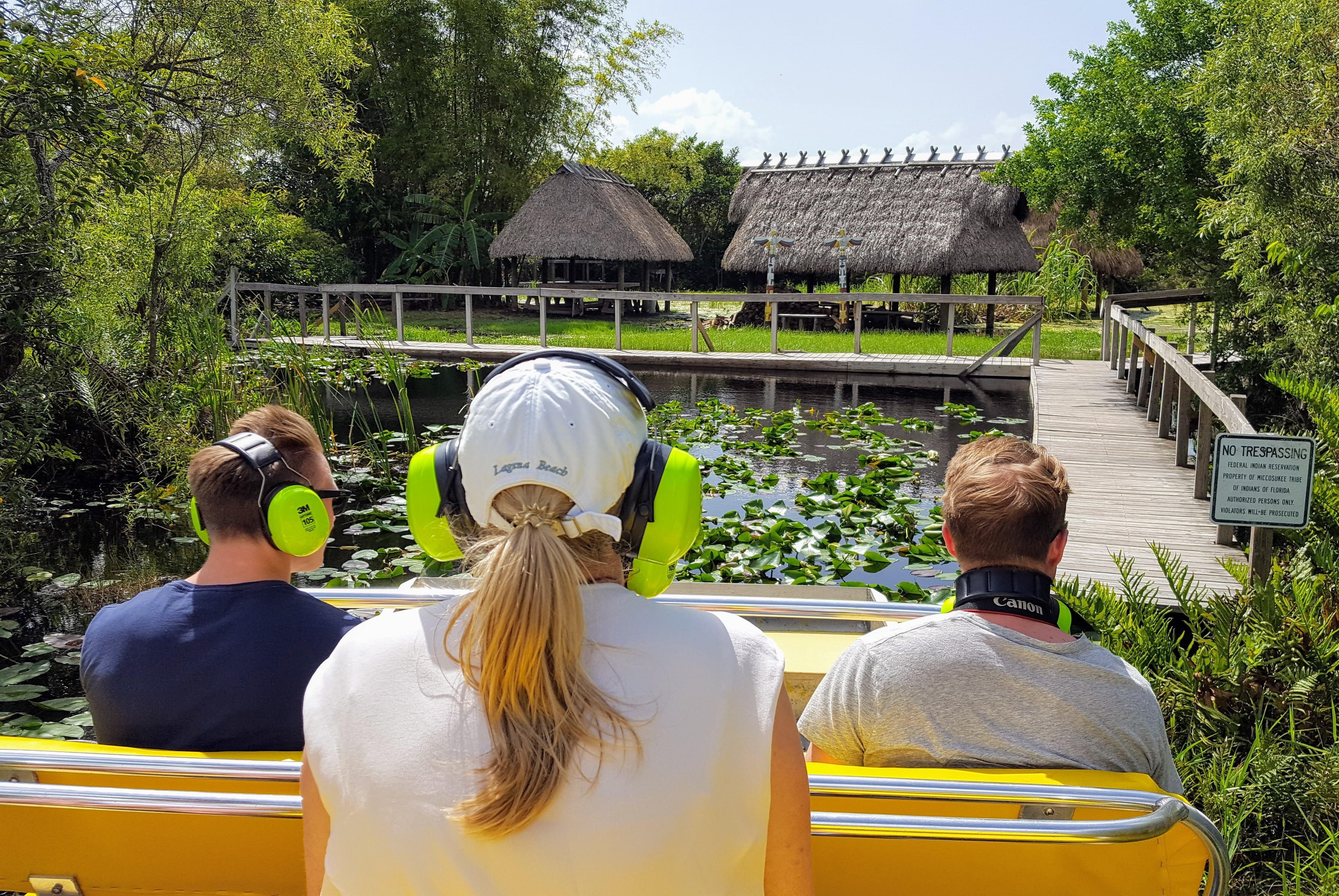
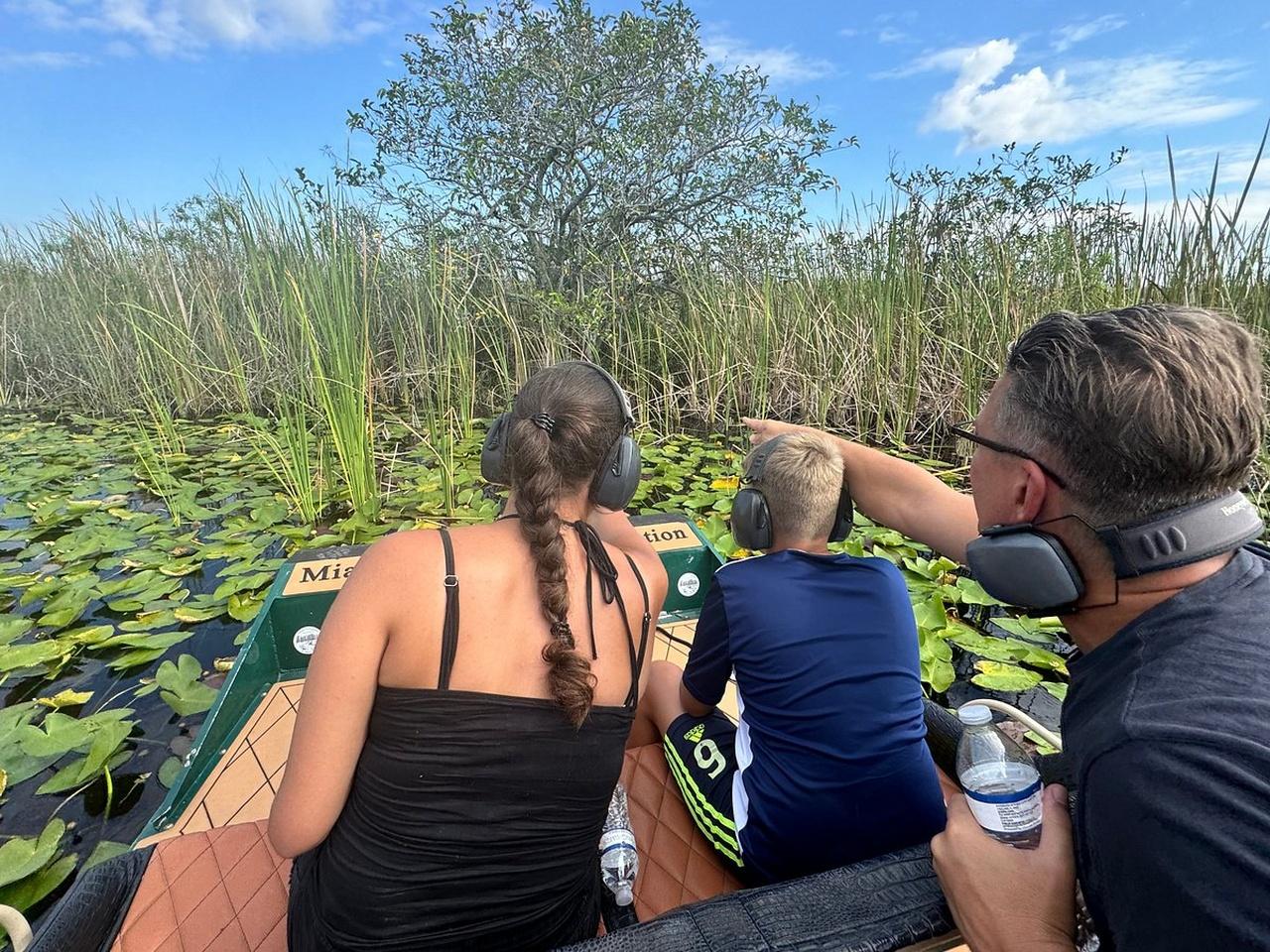
One thing every first-timer should know: airboats are loud. They’re driven by a big exposed fan, and they roar when the captain opens the throttle. Reputable operators hand out ear protection for the fast stretches, and the boat quiets down whenever it slows to watch wildlife. If you’re noise-sensitive or bringing small children, plan for it. Bring sun protection, insect repellent, water, and a camera — and not much else.
Choosing Your Tour
The options on this page cover the main shapes an Everglades airboat trip can take. The classic is a narrated airboat ride with a wildlife or nature walk, often with transport from Miami included — the easiest, most popular choice for a first visit. There are small-group eco tours that add private-island stops, gator-farm combos near Homestead that pair a ride with a walk-through alligator park, full-day trips with two different boats and lunch, and semi-private or private charters for a quieter, more personal ride.
When you’re ready to skim the River of Grass and meet its alligators, check tour availability and compare the options below.